It is hard to get creative in the depths of winter but this is the best time to think through your Spring and Summer planting plans. We often find ourselves getting inspired in the middle of the season thinking back about what we should’ve done over the Winter. So here is a list of to do’s and a little inspiration.
Start your seeds.
Whether you’re planning a vegetable garden, plan on sprucing up a bed with annuals, or even if you want to start some of your perennials, growing from seed is a low cost way to get your dream garden started.
Set up a grow space with a few grow lights. The tops of the plants should optimally be 6 inches from the light source. You can set up a fluorescent fixture or a simple plant light, both are available at your local home improvement store. Creating something where the light can move up over time will allow the plant to grow best over time.
Spend this time to plan out your garden. You can save a lot of money and get a lot more creative by starting not only your vegetables indoors but also your annuals. Pansies are so easy to get from seed it’s crazy to pay for grown plants. Cornflowers, strawflowers, marigolds, cosmos… a huge explosion of color for your summer beds. Even smaller perennials can give you a head start on your garden for cheap, started indoors. Think blue eyed grass, pincushion flowers, coreopsis, penstemons, and others.
On mild days, get outside and prune your shrubs. These plants are conserving energy right now and in the spring they will push energy only into the branches you leave for them. This isn’t a time for very hard pruning, but shaping.
Clean out your outdoor containers. This is the time to ensure that there are no lingering pathogens. In order to do this, plug up the bottom of your container so that it doesn’t leak. Fill it up with a solution of 10% bleach. Let it soak for 10 minutes. If you are unable to plug up the container, put the solution in a spray bottle and spray the inside of the container so that they stay wet for 10 minutes.
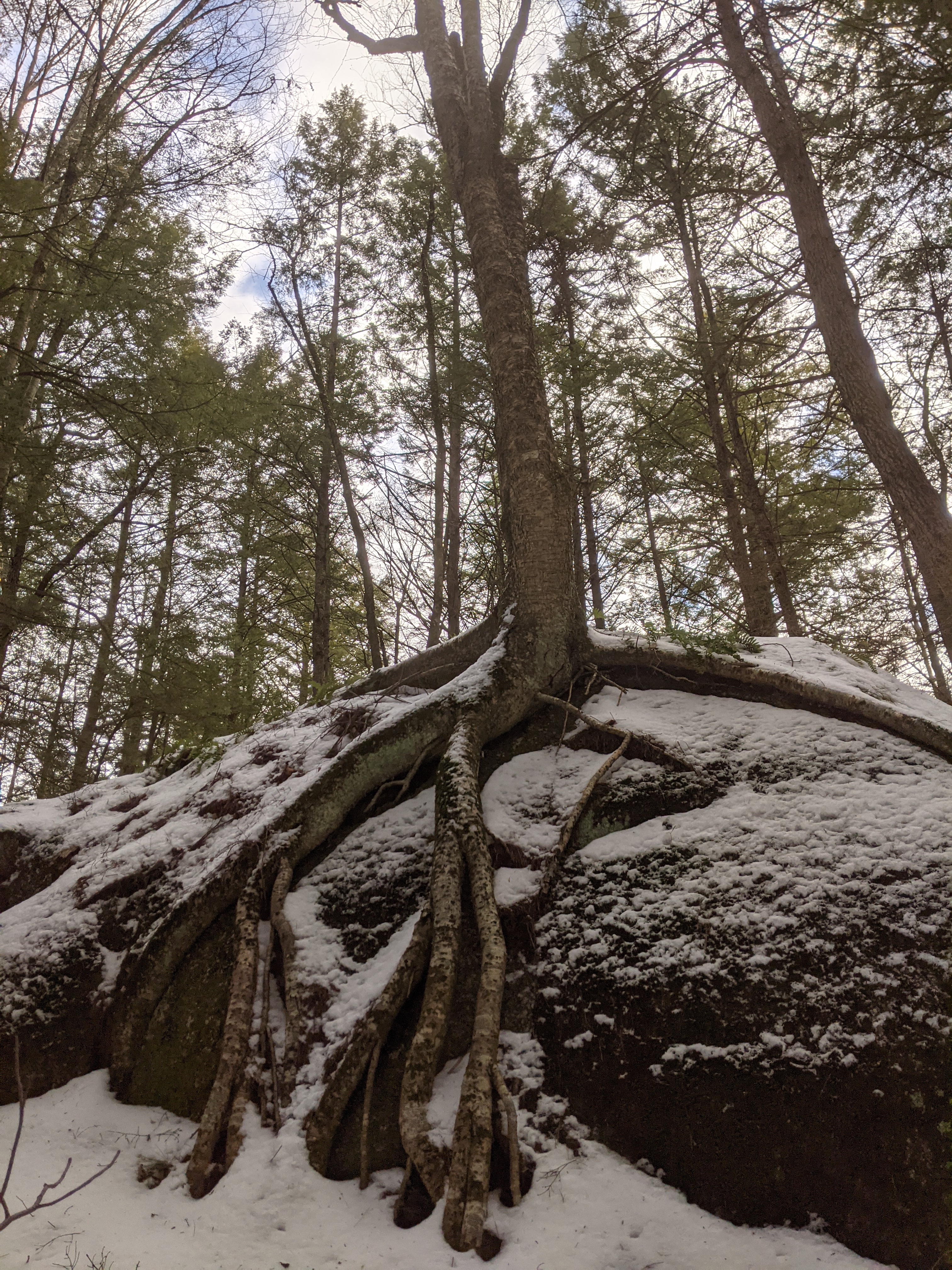
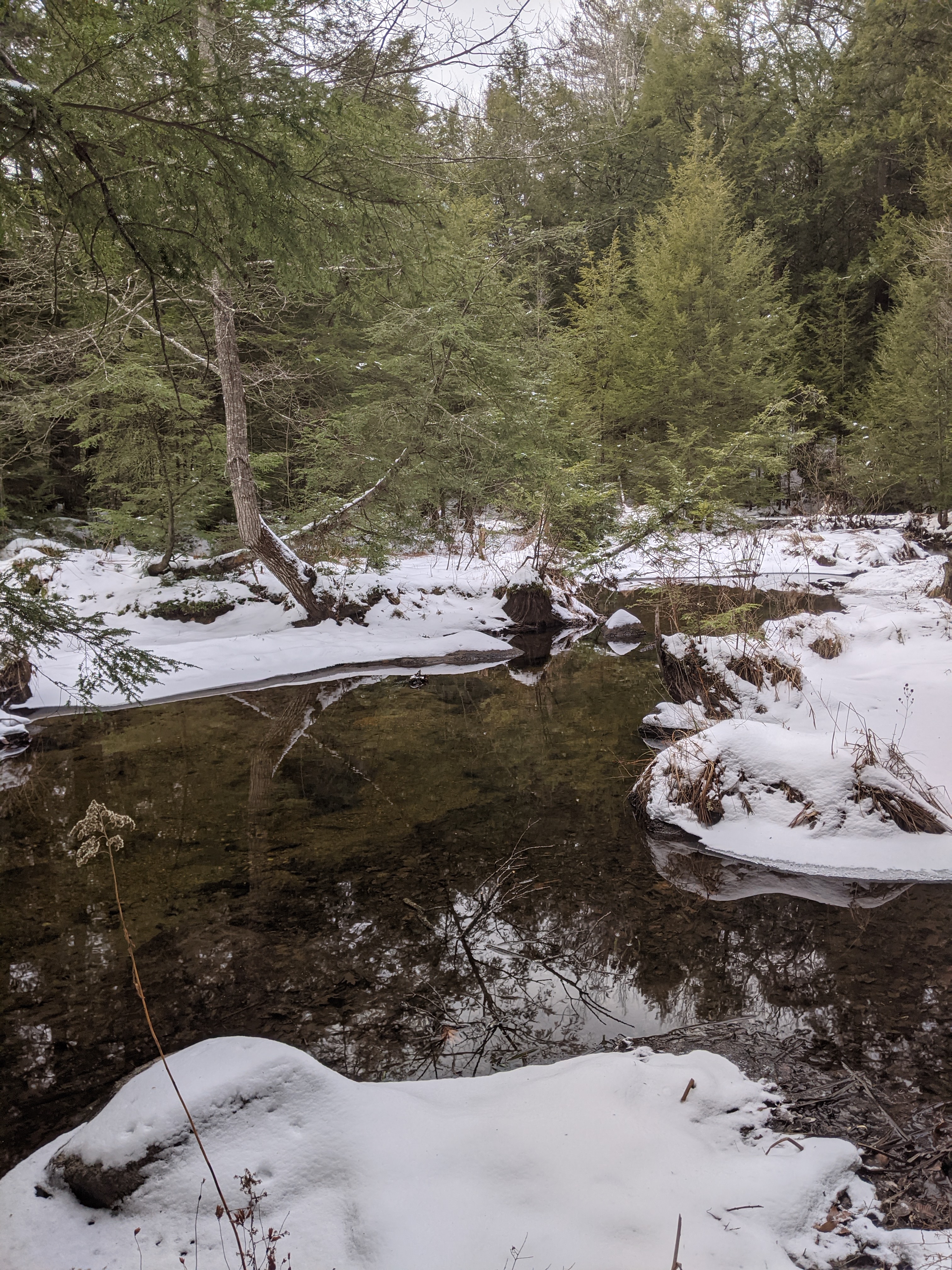
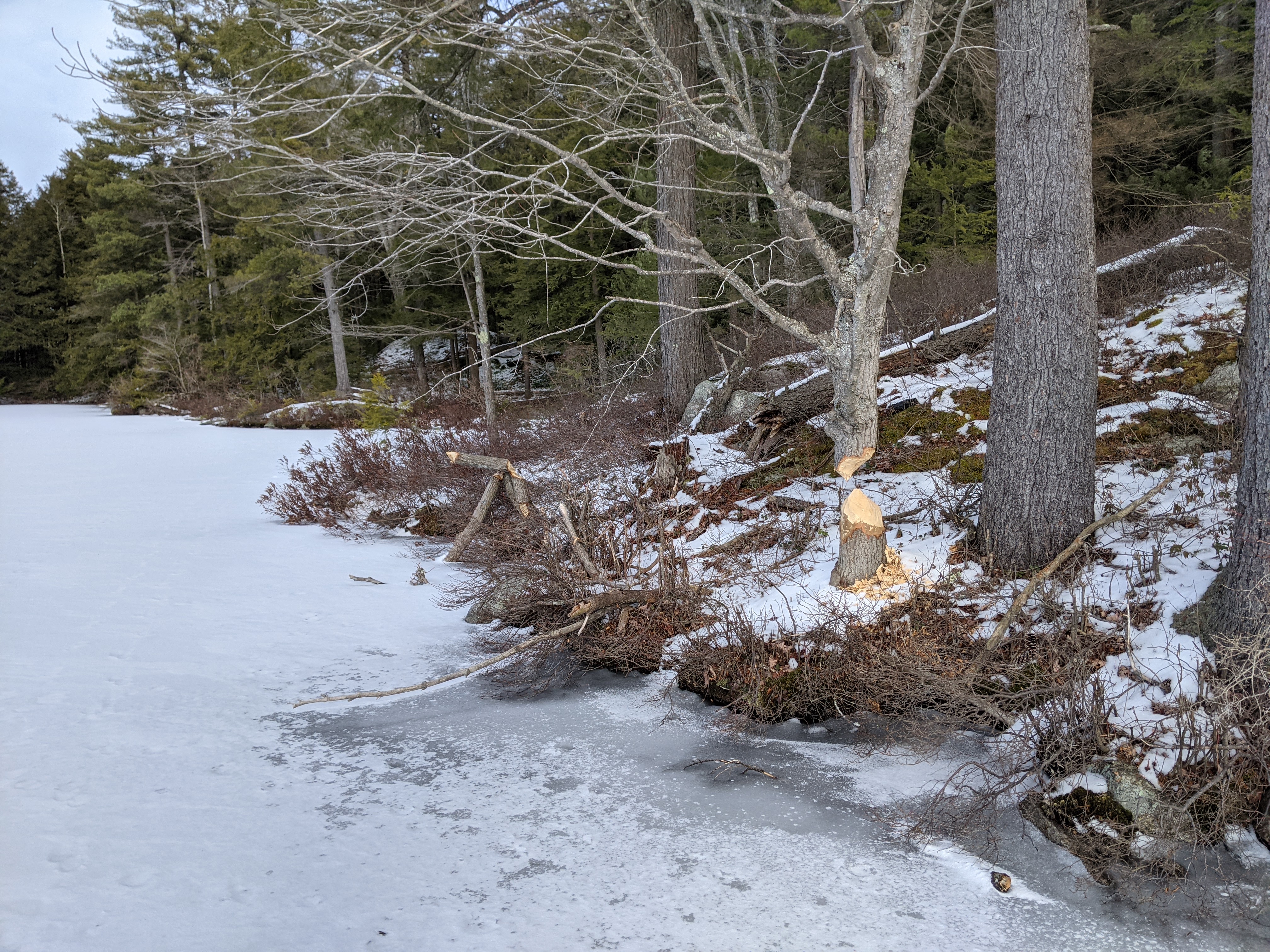
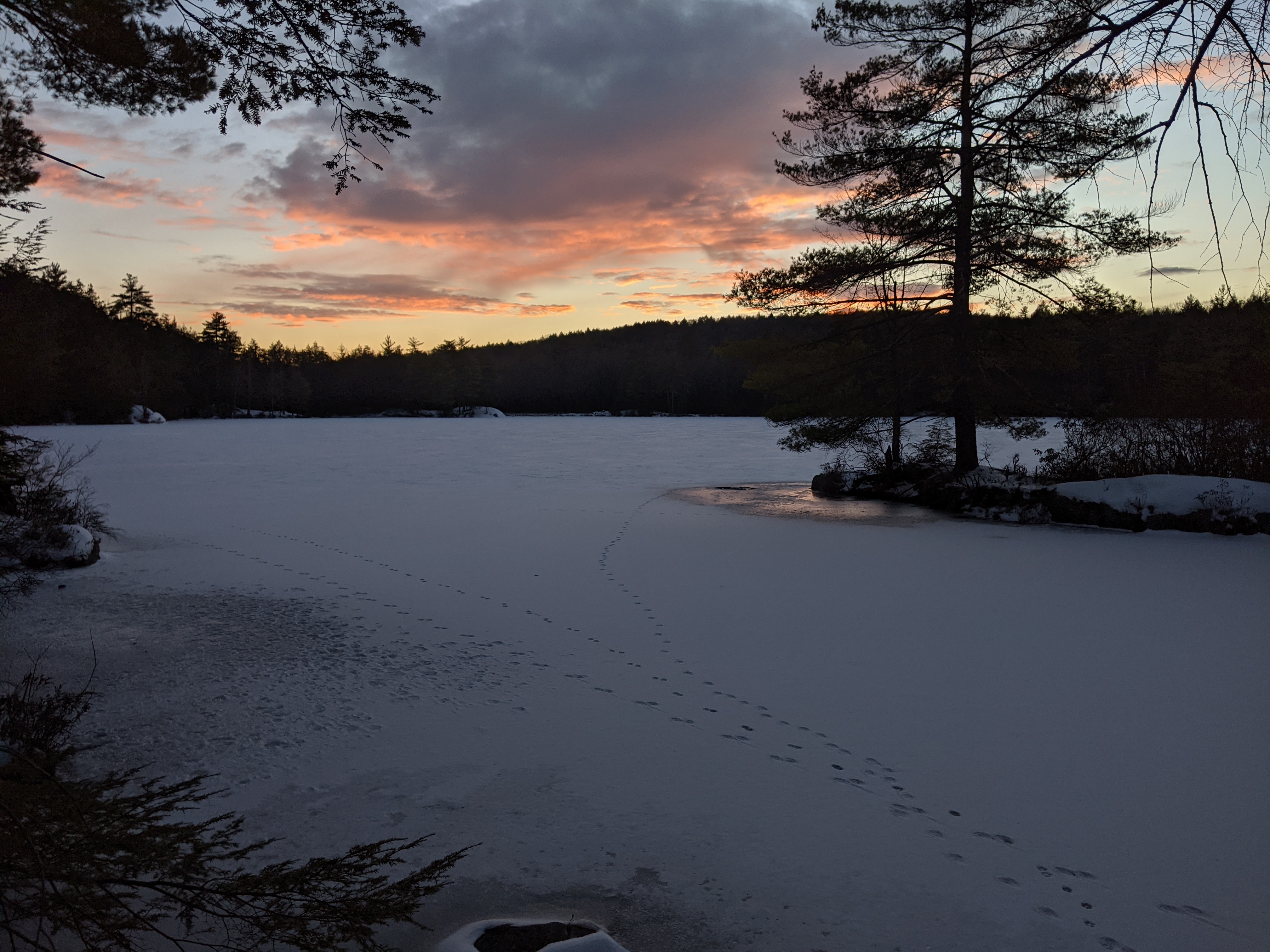
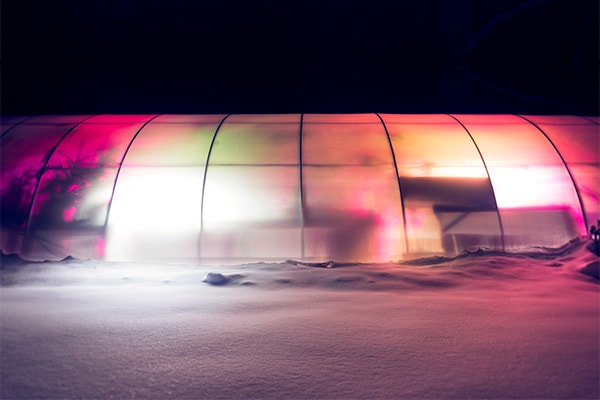
Finally, here are some beautiful winter images. It may still be dark out there, but remember to always appreciate the beauty around you.
We don’t like to talk about it… really, truly hate to even consider using pesticides. I feel about pesticides like I feel about guns (yes, controversial topic; nope, don’t want to get into it) – they are a tool that we should all fear enough that we learn to use them properly, with caution, and extreme restriction.
I bring this up now because the last two weeks have been a crash course on pesticides for me. I won’t get into all the gory details here (shoot me an e-mail if you’re wrestling with a particular problem), but what I learned is that the science is complicated and often unclear for the laymen, and, furthermore, there is a lot of folklore on the subject that isn’t always helpful.
Now I write this post NOT as an expert but as a mindful user. The information below is compiled from conversations with IPM (integrated pest management) experts, pesticide suppliers, people in research and development, and the odd scientific journal article. I am happy to make corrections where they are due.
THE OLD DOGS PLAYING NEW TRICKS
In the world of pesticides there are the old grandpa chemicals that used to be widely used and are now either banned or have developed a very bad reputation. Among these are pesticides like organophosphates and organochlorines.
Organochlorines, well, they really really deserve their bad name. They are non-target insecticides the most prominent of which you’ll probably recognize – DDT. They are hydrophobic and have a very long half life. So… well, safe to say they are all banned in countries that are wealthy enough to put in that type of legislation.
I had to wrestle with organophosphates over the last couple of weeks. They carry a really bad wrap. Like organochlorines, these are a systemic pesticide (it will travel through at least part of the plant; in this case these systemics travel through most of the plant with some exceptions including new growth). They get their bad name because their mode of action affects vertebrates… you know, like humans. But I was attracted to them because, for a systemic, they have a really short half life (they dissipate in the environment within days) and get broken down by microbes. It should, just like other pesticides, not be messed with casually. However, in some applications, such as a soil drench, this pesticide is quite a useful one. New formulations of organophosphates like acephate are less likely to be aerosolized and therefore solve some of the issues. Containment is key for this old dog learning new tricks.
Whitefly damage. This pest goes from small population to large very quickly due to its short life cycle.
NEW COOL KIDS WITH DOWNSIDES
Neonicotinoids have had a front row seat in environmental news for their effect on pollinators. In truth, there is a negative effect on pollinators from almost every pesticide. Yes, again, this group of pesticides just like others have serious negative effects. The key is to understand them. The reason neonics took the spotlight from organophosphates as the systemic pesticide of choice is that it has a mode of action that does not affect vertebrates. Another upside to their use as a systemic is their long half life in the soil, making it persistent for longer periods and therefore decreasing the amount of times you must apply them.
But hold up. Is persistence in the soil a good thing? Well, in many cases, no. Sure, when your application is isolated, like in a potted plant (inside a home that does not have to be concerned about hurting the good bugs), that can be a very desirable trait. Imidocloprid is sold on the shelves of Home Depot for anybody to purchase as a pesticide that’s safe for your home… or something. But outdoors, where that pesticide can remain, if not taken up by the plant, for many years this can be of serious detriment. In fact, most studies have shown that neonics don’t have an abnormally high effect on pollinators. It is their persistence and re-uptake by non-target plants that causes many of the problems.
Neonics have their place. They must be isolated, used only when absolutely necessary (in my opinion), and researched thoroughly. For example, 4D action neonics are safe for both pollinators and most beneficial insects (those that feed on pests). Many have a much shorter half life in the soil as well.
Mushrooms are evidence of overwatering perhaps, but usually do no damage. I think I’ll keep these guys.
“SAFE” PESTICIDES
We all read that horticulture oils like neem oil is the sustainable method of pest management/removal. It is a great method. However, because of all the positive press around it, we all collectively forget that it is actively killing insects on the plant. So, here is my small PSA. Hort oils are still dangerous! They will kill anything they lay in contact with. They are also phototoxic, meaning that when in contact with direct light they will burn the plant.
Rugose spiraling whiteflies caught in a spider’s web. Don’t kill this brave soldier while you try to remove the pests.
So, first know what you’re spraying. Avoid your friendly spiders and predatory wasps. Second, spray early in the morning or at dusk when the sun is low, it is cool, and there is a nice breeze coming through guaranteeing a fast dry-out.
FINAL WORD
The living ecosystem is complicated. There are no simple answers and every action has a reaction. It is very easy to get looped in and turned around to be spat out of your research feeling like you know less than when you started. Every pest has a life cycle which may be one week long or one year long. They interact with each other. They prefer different parts of the plant. Some fly, some crawl. You have to know what you’re looking at or, rather, ask someone.
My recommendation is scout often – if you find them early, you can simply mechanically remove them (yes, I do mean just wipe that scale off), and do isolated treatments (such as a hort oil). There’s a level of pests you may just want to live with. The density of many pests has to reach a critical mass before the plant significantly declines. And finally, keep the plant healthy. A healthy plant is much less likely to succumb to pests, pathogens, etc.
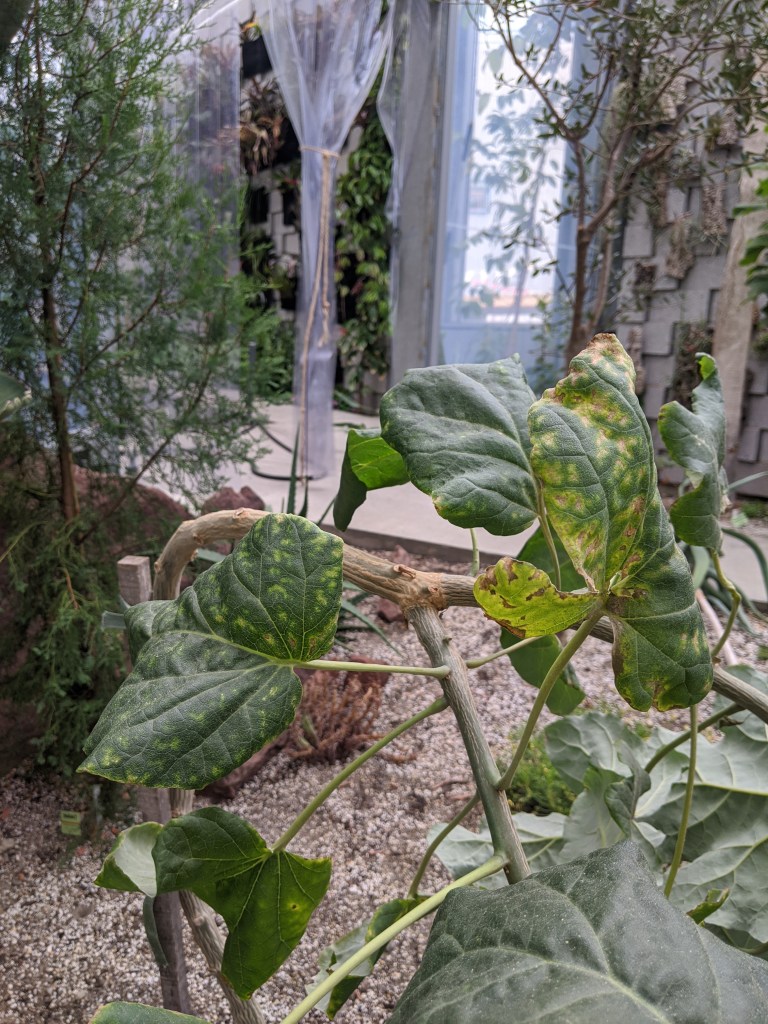
A natal plum that just bloomed. The push to bloom has left it wanting more food and it is exhibiting chlorosis. Time to feed this guy!
Guys, this is not the first time I do this. I’ve started a business before and it was so hard. A carnivorous plant and orchid nursery set in New York – tropical plants in a climate with snow drifts so high that sometimes we could only see the top of our greenhouse. I’m thrilled it’s doing well right now, though I bowed out years ago to pursue my doctorate.
I recognize how hard it is to run a small business. I moved to Boston recently and I’ve been thrilled to see how much effort people are putting into their gardens. Speaking with my neighbors, I’ve run through hours of conversation discussing their various gardening issues, thinking through soil concerns, diagnosing pathogens and nutritional deficiencies. I figured that there would be lots of people out there, with questions big and small, who would want a helping hand. What to put down? What to avoid? What kind of soil amendments? What sorts of plants would do best here? The resources out there are confusing, often misleading, and are not applicable across conditions. So, here we go. A business where I can use my collective knowledge to help people in this unique time where they are spending enough time at home to really dig in… so to speak. I’m excited about it and I hope to excite you about the possibilities.






 Green Your Thumb